
Table of Contents
- What Curated Boutique Clothing Actually Means
- Quality Over Quantity: Why Boutique Pieces Last
- Best Boutique Clothing Brands for Women
- The Role of Personalized Styling and Customer Service
- How to Build a Capsule Wardrobe with Curated Pieces
- Benefits of Shopping at Local Boutiques
- Sustainability and Ethical Sourcing in Boutique Fashion
- Frequently Asked Questions
Last Updated: October 2, 2026
What Curated Boutique Clothing Actually Means
Curated boutique clothing refers to thoughtfully selected pieces chosen by a retailer based on aesthetic vision, quality standards, and brand philosophy rather than mass-market trends. Unlike department stores that stock hundreds of brands across every price point, boutiques operate with intentional curation, each piece reflects the owner's perspective on style, craftsmanship, and value.
This curation matters because it filters noise. When you walk into a boutique, you're not sifting through thousands of options designed to appeal to everyone. Instead, you're encountering inventory that someone with genuine expertise has already vetted. The retailer has made decisions about which brands align with their aesthetic, which fabrics justify their price points, and which silhouettes actually work for real bodies.
The Psychology of 'Curated' as Marketing
The term "curated" has become ubiquitous in retail marketing, so common that it often obscures what it actually means. This inflation happened because curation implies expertise, intentionality, and exclusivity, all qualities consumers value. The problem: not all retailers using the word "curated" are actually curating.
True curation requires three elements: (1) a coherent aesthetic vision that guides selection, (2) direct knowledge of why each brand or piece was chosen, and (3) meaningful constraints, a boutique that carries 500 SKUs per category isn't curating, it's stocking. A boutique that carries 40 SKUs per category, where the owner can articulate why each one exists, is curating.
The distinction matters because false curation, often called "dropshipping with a filter", offers none of the benefits of real curation. A retailer who sources inventory based purely on margin, trend forecasting algorithms, or supplier relationships rather than personal aesthetic judgment creates the illusion of curation without the substance. You still face decision fatigue, pieces still don't work together, and the retailer has no deeper knowledge of the brands than you do.
How to identify genuine curation: Ask the boutique owner or stylist why they carry a specific brand or piece. A genuine curator can answer in detail, they'll reference the designer's philosophy, explain the construction choices, describe how the piece fits into the broader collection narrative, or discuss the brand's sourcing practices. A retailer engaged in false curation will offer vague responses: "It's trending," "Our customers love it," or "The price point works." These answers signal that the piece was selected for commercial reasons, not curatorial ones.
At Forth & Nomad, curation isn't just about selecting pieces, it's about building a cohesive vision. We choose clothing, jewelry, and accessories that work together, that tell a story, and that help customers see beauty in their everyday surroundings. This approach transforms shopping from a transaction into an experience.
The difference between curated and non-curated retail becomes clear when you compare outcomes. A woman shopping at a mass-market retailer might find fifty similar options and leave confused. A woman shopping at a genuinely curated boutique finds five options that each feel intentional, and she leaves knowing exactly which piece fits her life. More importantly, she trusts that the retailer's judgment reflects actual expertise, not algorithmic convenience.
Quality Over Quantity: Why Boutique Pieces Last
Boutique retailers typically stock fewer items per category, which means they can afford to be selective about construction quality. When a boutique buyer commits to carrying a brand, they've usually examined the garment construction, tested the fabric durability, and verified that the piece will hold up to real wear.
Mass-market retailers operate on volume. They need to replace inventory constantly, which means garments are often designed for a single season. Boutique pieces, by contrast, are selected for longevity. A well-made button-down from a curated source will outlast five mass-produced alternatives.
This quality difference shows up in details most people overlook. Seam finishing, hem construction, button attachment, and fabric weight all indicate whether a piece was engineered for durability or disposability. Boutique retailers understand that customers are paying for investment pieces, so they stock brands that deliver on that promise.
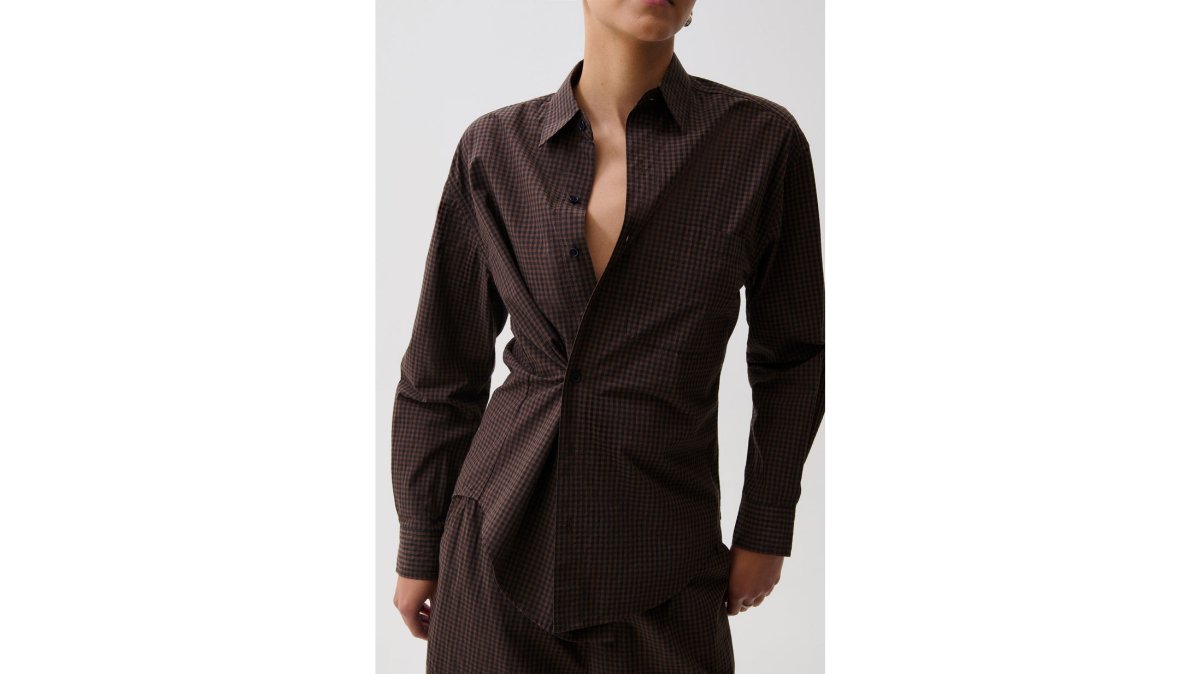
Consider the Mila Button Down Wrap Top, crafted from 100% cotton with a wrap-front design that requires precise construction. A mass-produced version might use thinner cotton and cheaper seaming. This piece is built to become a wardrobe staple, not a seasonal filler.

The financial math favors quality over quantity. One $138 blouse worn 100 times costs $1.38 per wear. Ten $20 blouses worn five times each cost $4 per wear. Boutique shopping reframes the conversation from "Can I afford this?" to "Will this serve me for years?"
Best Boutique Clothing Brands for Women
Building a curated wardrobe means selecting brands that align with your aesthetic and quality standards. The best boutique clothing brands for women share common traits: attention to garment construction, intentional design choices, and a clear brand perspective about who they're dressing.
Forth & Nomad curates pieces from emerging and established designers who prioritize quality and originality. Our selection includes versatile essentials like the Shelby Vegan Leather Pants, a sustainable take on a wardrobe staple at $75.99, alongside elevated basics like the Nerida Top at $52.99, which features thoughtful details like a crossover front that flatters multiple body types.


When evaluating boutique clothing brands, look for designers who explain their choices. Why did they select that fabric? What problem does the silhouette solve? Brands with clear answers to these questions tend to create pieces that work harder in your wardrobe.
The best boutique clothing brands for women also understand that elevated doesn't mean impractical. A beautiful piece should function in real life, it should be washable, durable, and wearable. The Doris Oversized Polo at $102.99 demonstrates this balance: crocheted construction that feels luxurious but pairs easily with vintage denim for casual wear.
The Role of Personalized Styling and Customer Service
Mass-market retail has largely eliminated personal service. You browse, you buy, you leave. Boutique retail operates differently. When a retailer knows their customer base, they can offer styling guidance that actually reflects individual needs rather than seasonal trends.
Personalized styling begins with listening. A boutique stylist asks about your lifestyle, your color preferences, the gaps in your current wardrobe, and the pieces you actually wear. They then use that information to recommend items that will integrate into your existing collection rather than sit unworn.
This approach saves money and reduces decision fatigue. Instead of browsing hundreds of options, you're presented with three to five pieces that a knowledgeable person has already filtered for you. The conversion rate is higher, the satisfaction is higher, and the likelihood that you'll return is significantly higher.
The Post-Purchase Experience: Where Boutique Value Extends
The boutique experience doesn't end at checkout. In fact, the post-purchase phase is where many curated retailers differentiate themselves most meaningfully, yet this is rarely discussed in retail conversations.
Physical packaging signals respect for the customer and the product. A piece arriving in tissue paper, a branded box, or sustainable packaging materials communicates that the retailer views the garment as an investment, not a commodity. This matters psychologically: you're more likely to care for a piece that arrived with care than one that arrived in a generic poly mailer.
Many curated boutiques include personalized elements: a handwritten thank-you note, a care card specific to the garment's fabric, or styling suggestions for how to wear the piece.
How to Build a Capsule Wardrobe with Curated Pieces
A capsule wardrobe is a collection of essential, versatile pieces that work together to create multiple outfits. Building one with curated boutique clothing means being intentional about color, fit, and functionality.
| Capsule Category | Function | Boutique Approach |
|---|---|---|
| Base layers | Foundation pieces worn frequently | Invest in quality fabrics like 100% cotton |
| Tops | Versatile across seasons | Choose pieces with intentional details |
| Bottoms | Neutral colors, multiple fits | Select for durability and comfort |
| Outerwear | Seasonal layering | Prioritize construction quality |
| Accessories | Color and pattern introduction | Use to refresh existing pieces |
Benefits of Shopping at Local Boutiques
Shopping locally creates economic ripple effects that extend beyond the transaction. When you buy from a local boutique, your money stays in the community. The retailer pays local rent, hires local staff, and sources from local vendors when possible.
Sustainability and Ethical Sourcing in Boutique Fashion
Boutique retailers often prioritize sustainability because their business model depends on customer trust and long-term relationships. A boutique that sources unethically will eventually lose customers who discover the truth. Chain retailers, by contrast, can absorb reputational damage more easily due to their scale.
Frequently Asked Questions
What does it mean for a clothing boutique to be curated?
A curated boutique carefully selects each piece based on quality, aesthetic consistency, and brand philosophy rather than buying whatever sells. The retailer acts as a filter, choosing items that align with a specific vision and customer values. This curation process means every piece reflects intentional decision-making about garment construction, design story, and how items work together to create a cohesive shopping experience.
Are boutique clothes better quality than mass-market brands?
Curated boutique clothing typically offers superior quality through attention to detail in materials and construction. Small-batch production allows for stricter quality control, and boutiques often partner with emerging designers who prioritize craftsmanship. Mass-market retailers prioritize sell-through volume, which can mean compromises on fabric durability and seam integrity. However, quality varies by boutique and brand, so examining garment construction details remains essential.
How does shopping at a curated boutique help define my personal style?
Curated boutiques present a carefully selected canvas of inspiration organized around aesthetic principles and design philosophy. Rather than overwhelming you with thousands of options, boutique curation narrows choices to items that work together cohesively. This focused selection makes it easier to identify what resonates with you, discover new designers that match your taste, and build a wardrobe where pieces actually coordinate. Personalized styling services at many boutiques further help you understand your own aesthetic preferences.
Why do curated boutique pieces cost more than department store alternatives?
Higher price points reflect several factors: superior fabric quality, ethical sourcing practices, small-batch production that limits inventory waste, personalized customer service, and direct relationships with independent designers. Boutiques invest in curation expertise and maintain lower inventory turnover, reducing markdowns. You're paying for quality construction, exclusive access to niche labels, and the retailer's curatorial vision, not just a product, but a curated shopping experience backed by real expertise.