
Table of Contents
- Best Candle Making Kits for Home Use: Quick Comparison
- The Candle Bar: Guided Experience and Hands-On Learning
- Best Candle Making Kit for Beginners: What to Look For
- Essential Candle Making Supplies for Beginners
- How to Make Scented Candles at Home: Wax, Wicks, and Fragrance
- Safety Guidance for Melting Wax and Handling Fragrance
- Kit Yield and Cost Per Finished Candle
- Frequently Asked Questions
Last Updated: October 5, 2026
Best Candle Making Kits for Home Use: Quick Comparison
Making candles at home has shifted from niche hobby to accessible creative pursuit. The right candle making kits combine quality wax, proper wicks, fragrance oils, and clear instructions into one package. Whether you're crafting for yourself or exploring a new skill, the choice of kit matters more than most people realize.
At Forth & Nomad, we understand that home crafting deserves both inspiration and practical tools. Our Candle Bar experience has shown us what beginners actually need when they start making scented candles. Beyond the physical supplies, success depends on understanding wax types, wick compatibility, temperature control, and fragrance integration. This guide walks you through the essential supplies, safety considerations, and the real cost of candle making so you can choose the right starting point.

| Kit Focus | Best For | Price Range | Key Advantage |
|---|---|---|---|
| Hands-on experience | Creative learners | $60 | Guided instruction + 40 scent options |
| DIY home supplies | Self-directed makers | $30-50 | Complete wax, wick, and fragrance bundle |
| Natural wax focus | Eco-conscious crafters | $40-70 | Soy and beeswax options |
| Beginner essentials | First-time candle makers | $25-45 | Thermometer, melting pot, safety guidance |
The Candle Bar: Guided Experience and Hands-On Learning
The Candle Bar at Forth & Nomad offers something most home kits cannot: direct instruction and creative freedom within a curated environment. At $60 per person, you arrive at our flagship location, and over the course of the experience, you craft two finished scented candles using 40 different fragrance options. No two candles are alike because you're mixing your own signature scent combinations. Developing this kind of tactile expertise at home requires the right tools, which is why many enthusiasts expand their creative repertoire by exploring various family craft kits.
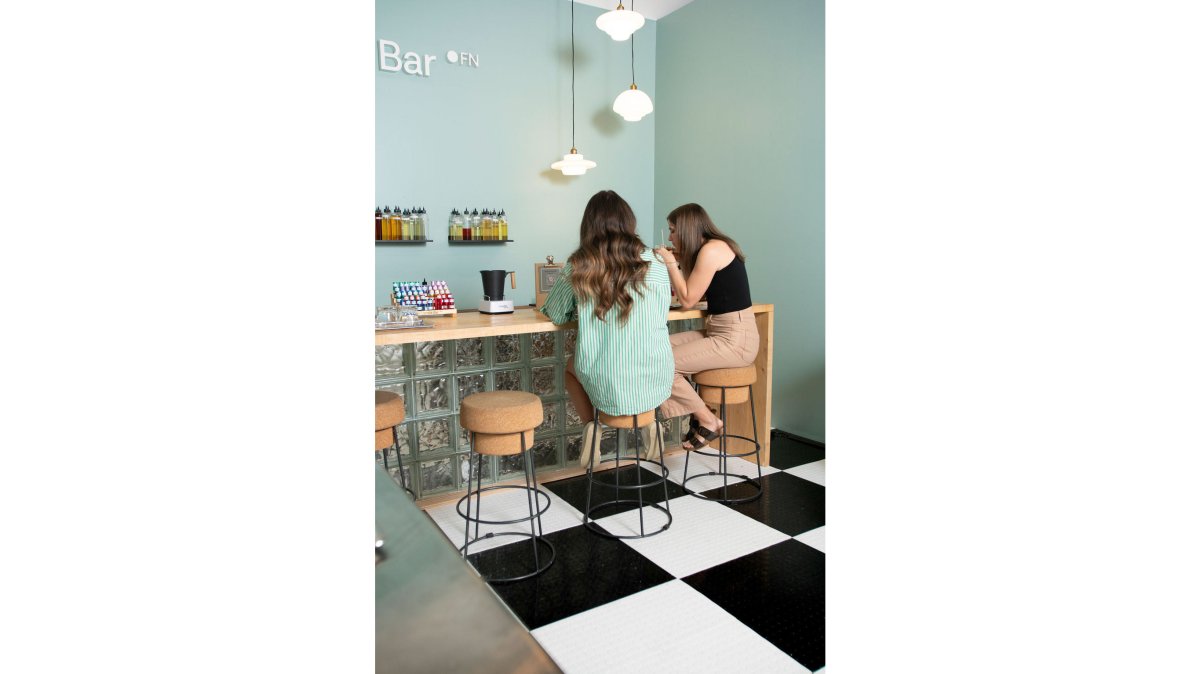
What sets this apart from buying a kit and working alone at home is the guided process. You learn proper pouring technique, temperature control, and how fragrances actually behave when blended. The relaxed atmosphere includes complimentary drinks, which transforms the experience from task into event. This matters for retention: people remember experiences far longer than they remember products they assembled in isolation.
The real value emerges when you take those two candles home and realize you understand the craft. You've seen the wax melt, watched fragrance oils integrate, felt the pour temperature, and trimmed wicks to proper length. That knowledge transfers directly to any home candle making kit you purchase afterward. Many guests return to buy supplies and continue making candles at home, armed with hands-on understanding rather than guesswork.
For gift shoppers, The Candle Bar Gift Card at $64.95 offers the same experience without committing to a specific date. This works particularly well for people who claim they "aren't creative" but respond well to structured, social learning environments.

Best Candle Making Kit for Beginners: What to Look For
Starting with the right candle making kit determines whether you'll actually finish your first batch or abandon the project halfway. Beginners need four non-negotiable elements: quality wax, appropriate wicks, fragrance oils that actually perform, and clear temperature guidance.
Most beginner kits fail on one of these points. Some include wax but cheap wicks that won't hold a flame. Others provide fragrance oils designed for diffusers, not candles, which burn off unevenly. The best kits treat all four components as equally important and include a thermometer so you understand what "ready to pour" actually means.
Look for kits that specify wax type explicitly. Soy wax appeals to eco-conscious makers and holds fragrance well, but it requires slightly different pouring temperatures than paraffin blends. Beeswax burns longer and smells naturally honey-sweet, but costs more and demands precision. A quality beginner kit acknowledges these differences rather than pretending one wax suits every purpose.
Wick selection matters more than most guides admit. The wick diameter must match your container width, or your candle either tunnels (burns only down the center) or smokes excessively. Beginner kits should include wick stickers and holders, not just loose wick. This small detail transforms success from luck into repeatability.
Essential Candle Making Supplies for Beginners
Beyond a kit, certain supplies make the difference between frustration and flow. A reliable thermometer becomes your most-used tool. Wax behaves differently at different temperatures, and guessing leads to uneven pours, poor scent throw, and wicks that won't light properly. Digital thermometers designed for candle making cost under $15 and eliminate this variable.
A melting pot specifically designed for wax prevents the common mistake of direct heat exposure, which scorches fragrance oils and degrades wax quality. Double boiler setups work, but dedicated wax melters maintain consistent temperature and pour easily. Forth & Nomad's Candle Snuffer ($14.99) prevents another beginner mistake: blowing out candles, which spatters melted wax everywhere and ruins the surface finish. A proper snuffer extinguishes flames cleanly.
Measuring cups and stirring utensils matter more than people expect. Wax sticks to standard kitchen tools permanently, so dedicated candle-making spoons and measuring vessels prevent cross-contamination. Many kits skip these, forcing beginners to sacrifice kitchen equipment.
Fragrance oils designed specifically for candles differ from essential oils and diffuser oils. Candle fragrance oils are engineered to perform at the temperatures wax reaches during melting and pouring. Essential oils evaporate too quickly; diffuser oils don't bond properly with wax. This distinction separates candles that smell like nothing after the first hour from those that maintain scent for the entire burn.
How to Make Scented Candles at Home: Wax, Wicks, and Fragrance
Creating scented candles at home follows a straightforward sequence, but each step has hidden complexity that determines your success rate.
Choosing the Right Wax Type
Soy wax and beeswax represent the two natural options, each with distinct performance characteristics. Soy wax, derived from soybean oil, holds fragrance well and produces a clean burn. It pours at lower temperatures (around 170-180°F) and cools predictably, making it forgiving for beginners.
Beeswax burns longer and produces a naturally sweet aroma without added fragrance. It requires higher pouring temperatures (around 185-200°F) and demands more precision. Beeswax also costs significantly more, which makes it less practical for initial experiments. Forth & Nomad's Strawberry Beeswax Birthday Candles ($32 for a set of 10) showcase what beeswax quality looks like: 100% beeswax, cotton wicks, and eco-friendly dyes that are non-carcinogenic and third-party tested.

Paraffin blends, common in commercial candles, hold fragrance exceptionally well and cost less. Blended wax combining paraffin with soy or beeswax offers a middle ground: better scent throw than pure soy, lower cost than pure beeswax.
Wick Selection and Temperature Control
Wick size directly determines burn quality. A wick too thin for your container width creates tunneling, where the candle burns only down the center, leaving wax walls unmelted. A wick too thick causes excessive smoking and black soot buildup on container walls. Most beginner kits include sizing guidance, but understanding the principle prevents costly mistakes.
Braided wicks, like those in Forth & Nomad's hand-poured candles, offer consistent performance and are trimmed to 1/4 inch before each lighting to maintain optimal burn.
Temperature control determines whether fragrance oils integrate properly or evaporate before the wax cools. Pouring wax between 170-185°F (depending on wax type) allows fragrance oils to bond chemically rather than simply sitting on top. Too hot, and oils burn off. Too cool, and the wax doesn't flow properly into container corners.
Fragrance Oils and Dye Integration
Fragrance oils should be added to melted wax at specific temperatures. Stirring gently ensures even distribution. Overheating fragrance oils damages their aromatic compounds, reducing scent throw dramatically. This is why thermometers matter: you're not guessing at "hot enough."
The Vetiver & Fig Candle and Blood Orange & Teak Candle from Forth & Nomad demonstrate how quality fragrance integration works in practice. Both are hand-poured using soy-paraffin blends with premium-grade fragrance oils, resulting in candles that maintain scent throw for their full 55-hour burn time. The Mexico City Candle adds another layer: complex scent profiles combining bergamot, lavender, clove, and oud require careful temperature management to prevent any single note from overpowering others.
Safety Guidance for Melting Wax and Handling Fragrance
Melted wax reaches temperatures that cause serious burns. Never use direct heat on wax; always use a double boiler or dedicated wax melter. Keep wax thermometers away from direct contact with container walls, which can register false high readings and lead to overheating.
Fragrance oils can irritate skin and eyes. Wear gloves when handling concentrated oils and avoid touching your face during the pouring process. Ensure adequate ventilation when working with fragrance oils, as some people experience sensitivity to airborne particles.
Never pour melted wax down drains. Wax solidifies in pipes and creates blockages. Instead, allow wax to cool slightly, then wipe containers with paper towels before washing. Dedicated wax melters simplify cleanup by keeping wax contained and preventing spills.
Keep a fire extinguisher nearby when working with melted wax, though wax itself doesn't ignite easily. The real risk comes from overheated fragrance oils or from wicks catching flame unexpectedly. Never leave melting wax unattended, and always keep children and pets away from the work area.
Kit Yield and Cost Per Finished Candle
Understanding the actual cost per candle helps you evaluate whether home candle making makes financial sense or serves primarily as a creative hobby.
A basic beginner kit typically includes enough wax for 4-6 standard container candles, fragrance oil for the same quantity, and basic wicks. At this price point, your cost per finished candle runs $5-8 in materials alone, before accounting for containers.
The Candle Bar experience ($60 for two finished candles) works out to $30 per candle, but you're paying for instruction, ingredients, experience, and the curated environment. The value isn't in material cost; it's in learning a skill you can then apply to home production at much lower cost.
Making candles at home transforms a simple craft into a practice that connects you to your living space in tangible ways. The right kit provides structure; understanding wax, wicks, and fragrance provides confidence. If you're drawn to hands-on creativity and want guidance before committing to home supplies, Forth & Nomad's Candle Bar offers that foundation. You'll create two finished candles, understand the process, and leave with knowledge that transfers directly to any home candle making kit you choose afterward. Shop Now and discover why guided experience changes how you approach creative projects.
Frequently Asked Questions
What should a beginner candle making kit include?
A complete beginner kit includes soy or beeswax, wicks with stickers, a thermometer, melting equipment (double boiler or wax melter), fragrance oils, dyes, pouring containers, and measuring tools. The Candle Bar experience provides everything needed to make two scented candles, with access to 40 fragrances and complimentary drinks. For home DIY kits, ensure the wax type matches your wick size and that fragrance oils are premium grade for consistent scent throw.
Which wax is easiest to use in a candle making kit?
Soy wax is the easiest for beginners because it melts at lower temperatures (around 170-180°F) and holds fragrance well. Beeswax requires higher melting temperatures and is more expensive. Soy wax blends combine the benefits of both and are forgiving when learning proper melting and pouring techniques.
What safety precautions should you take when making candles at home?
Always use a thermometer to monitor wax temperature and prevent overheating, which can damage fragrance oils and create fire hazards. Never leave melting wax unattended. Work in a well-ventilated area when handling fragrance oils. Use heat-resistant containers and utensils. Allow finished candles to cool completely before lighting, and trim wicks to 1/4 inch before each burn to prevent excessive smoking.
How many candles can you make with a candle making kit?
This depends on the kit's wax volume and candle size. The Candle Bar experience allows you to make two full-size scented candles in one session. Home kits typically include enough materials for multiple batches.