
Table of Contents
- Why Supporting Emerging Designers Matters to Design Culture
- How to Support Independent Designers and Why It Counts
- Emerging Fashion Brands to Watch and What Makes Them Different
- The Economic and Community Impact of Your Purchases
- Sustainable Independent Fashion Brands and Ethical Choices
- Finding Unique Clothing from Emerging Designers
- Building a Wardrobe That Reflects Your Values
- Frequently Asked Questions
Last Updated: October 9, 2026
Why Supporting Emerging Designers Matters to Design Culture
Supporting emerging designers is the foundation of a thriving design ecosystem. When you invest in new talent, you're directly funding the next generation of creative innovation. These designers bring fresh perspectives, experimental techniques, and cultural voices that established brands often can't match.
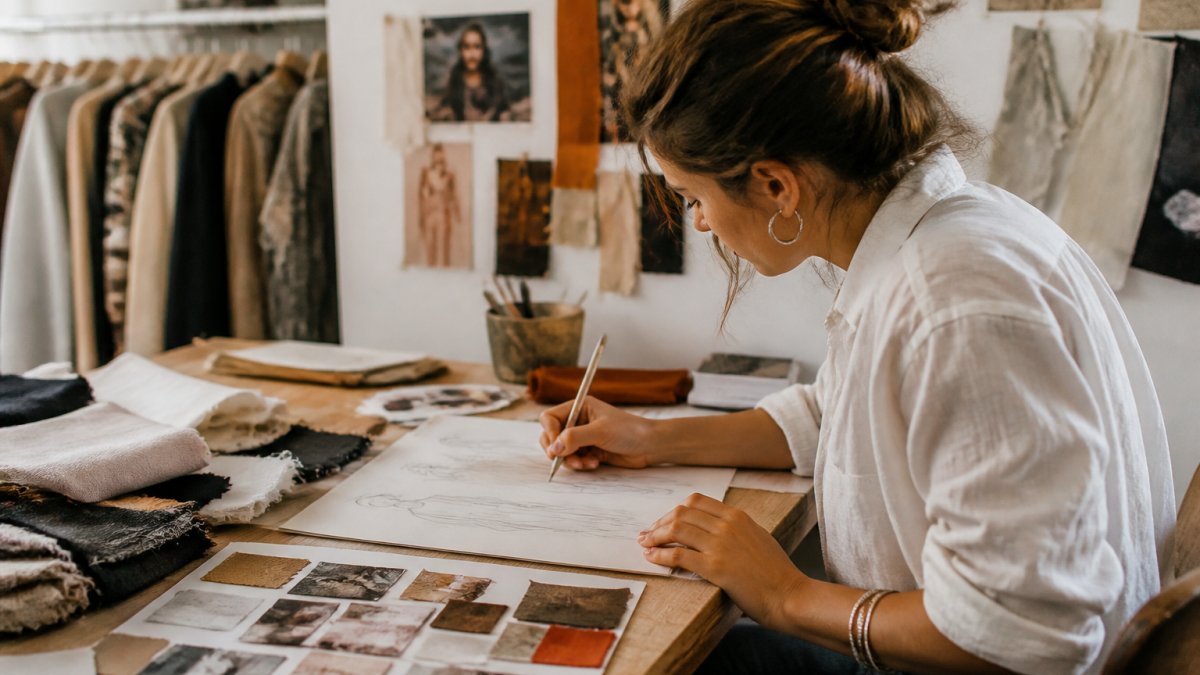
Design culture depends on this constant infusion of new ideas. Emerging talent challenges conventions, pushes boundaries, and forces the entire industry to evolve. Without them, fashion and design become stagnant, repeating the same silhouettes and color palettes year after year.
At Forth & Nomad, we've built our entire curation model around this principle. We seek out designers early in their careers because that's where authentic innovation happens. The pieces that feel fresh, unexpected, and genuinely reflective of current cultural moments almost always come from creators who are still defining their voice.
How to Support Independent Designers and Why It Counts
The most direct way to support independent designers is to buy their work. This sounds obvious, but the economics matter more than most shoppers realize, and the long-term return on early support is the part almost no one explains.
The unit economics of a first purchase. When you buy from an emerging designer, your money goes directly to the creator. There's no middleman markup, no corporate overhead, no shareholders taking a cut. A common pattern is that a single sale funds a meaningful share of the next production run, covers a month of studio rent, or pays for the first hire.
The long-term ROI of buying early. Established designers command established prices. Emerging designers don't, yet. Buying early means you're acquiring work at the point where the designer's reputation, and therefore their pricing, is still forming. If the designer grows, you own pieces from an earlier, often more experimental phase of their career. Collectors treat this the same way art buyers treat early works: the value isn't guaranteed, but the asymmetry is real.
Beyond purchasing: the support ladder. Not every form of support costs money, and the highest-leverage actions are often free.
| Support Method | What It Actually Does | Effort Level |
|---|---|---|
| Direct purchase | Funds the next production run | Money |
| Wearing their pieces in public | Serves as a living advertisement and generates inbound questions | Low |
| Tagging and crediting the designer | Routes new audiences to their account | Low |
| Writing a review or testimonial | Provides social proof they can reuse in press kits | Low |
| Introducing them to a retailer or editor | Opens doors they can't open alone | Medium |
| Mentorship or pro-bono expertise | Accelerates skills they'd otherwise learn slowly | High |
The transition from emerging to established. Most emerging designers don't fail because of bad design. They fail at the operational jump between selling to friends and selling to strangers at scale.
Collaboration and mentorship. Experienced designers working with emerging talent accelerate skill development and industry connections. These relationships often lead to partnerships, teaching opportunities, or co-created collections. The most valuable thing an established person can offer isn't money, it's a specific introduction or a hard-won lesson about margins, manufacturing, or contracts.
A note on amplification. A social media post recommending a creator you love costs nothing but reaches people who might become loyal customers. Word-of-mouth from genuine fans outperforms most paid advertising for small brands, because it carries a credibility that ads can't buy. The catch is that it only works if it's specific, name the piece, say why it's good, and tag the maker.
Emerging Fashion Brands to Watch and What Makes Them Different
The emerging fashion landscape includes designers working across every aesthetic imaginable. What distinguishes these creators is their willingness to take risks and their connection to their own story.
Emerging brands typically start small, often with a single defining collection or signature piece. They're built on a specific vision rather than broad commercial appeal. This focus means you get clothing that feels intentional, not designed by committee to appeal to the widest possible market.
Many emerging designers use sustainable practices not because it's trendy, but because it aligns with their values. Small-batch production, natural materials, and ethical labor practices aren't marketing angles for these creators, they're core to how they work.
At Forth & Nomad, we carry pieces from emerging designers who share this commitment to quality and intention. When you shop our collections, you're choosing from creators we've personally vetted. Each piece reflects the designer's individual aesthetic and craftsmanship.
The Economic and Community Impact of Your Purchases
Every dollar spent on emerging designer goods has a ripple effect through local economies and creative communities. When you buy from a designer in your region, that money often stays local. It funds studio space, supports local manufacturers, and creates jobs.
The creative economy is a significant driver of economic growth (Arts and Cultural Production Satellite Account, U.S. and States, 2023). Communities with thriving design sectors attract talent, inspire tourism, and build cultural identity. Supporting emerging designers strengthens these ecosystems from the ground up.
Your purchases also send a market signal. When enough people buy from emerging designers, the industry takes notice. Larger retailers start seeking out new talent. Press and media outlets cover fresh voices. Emerging designers gain the visibility and credibility they need to scale.
This creates opportunity for entrepreneurship. Many emerging designers eventually build sustainable businesses that employ others. They open studios, mentor the next generation, and contribute to their communities in tangible ways. Your early support often makes that journey possible.
Sustainable Independent Fashion Brands and Ethical Choices
Most competitors treat sustainability as a vibe. The more useful question is: how do you actually tell a genuinely sustainable emerging brand from one that just uses the right vocabulary? The answer is a short due-diligence checklist you can run in about ten minutes per brand.
Start with materials claims. Look for specific fiber names rather than vague terms. "Organic cotton" and "deadstock fabric" are checkable. "Eco-friendly" and "green" are not. A credible emerging designer will usually name the mill, the fiber content, or the supplier, because they're proud of it.
Ask where the garment was made. Emerging designers often work with small domestic cut-and-sew shops, which makes the supply chain shorter and easier to audit than a mass-market brand sourcing across multiple countries.
Understand why small-batch is structurally different. Mass-market apparel is built around forecasting demand months ahead and producing to that forecast. When the forecast is wrong, the excess gets discounted, landfilled, or incinerated.
Know the trade-offs. Small-batch also means higher unit costs, longer lead times, and limited size runs. A sustainable emerging brand may not restock your size. That's a feature of the model, not a flaw, but you should go in expecting it.
Check for third-party certifications where they exist. Programs like Fair Trade Certified, Global Organic Textile Standard (GOTS), and bluesign are legitimate and independently verified. Many emerging designers can't afford certification yet, so absence isn't proof of greenwashing, but presence is meaningful evidence.
Look at how the brand talks about its own limits. The most trustworthy emerging designers will tell you what they haven't solved yet: a dye process they're still switching, a fabric they can't source responsibly at their volume, a factory they're phasing out.
Ethical choices also mean supporting designers from underrepresented communities, whose perspectives and aesthetics mainstream fashion often overlooks. That diversity strengthens design culture and ensures fashion reflects a fuller spectrum of human creativity, but it should sit alongside, not instead of, the concrete verification steps above.
Finding Unique Clothing from Emerging Designers
The challenge with emerging designers is visibility. They don't have massive marketing budgets, so they're easy to miss. Finding them requires intentional searching and a willingness to explore beyond mainstream retail.
Curated boutiques are one of the best sources. These retailers invest time in discovering emerging talent and vetting quality. When a boutique carries a designer, that's a meaningful endorsement. The owner has already done the research and quality control.
Social media and independent designer marketplaces connect you directly to creators. Many emerging designers build their entire business through Instagram or their own websites. Following designers you love means you see their new collections first and often get access to limited releases.
Industry events and pop-ups provide direct access. Designer markets, fashion weeks, and trunk shows let you meet creators, try pieces on, and understand their vision firsthand. These experiences build genuine connections that go beyond transactional shopping.
Forth & Nomad curates emerging designers into accessible collections. You get the benefit of our research and selection without needing to hunt across dozens of platforms. We handle the discovery work so you can focus on finding pieces that speak to you.
Building a Wardrobe That Reflects Your Values
A wardrobe built on emerging designer pieces tells a story. Each item carries intention. You know why you own it, who made it, and what it represents.
Start by identifying designers whose aesthetic resonates with you. Don't feel pressured to buy from every emerging creator. Find the ones whose vision aligns with yours and build a relationship with their work over time.
Quality matters more than quantity. One well-made piece from an emerging designer will outlast five mass-produced alternatives. You'll actually wear these items, which means better value and less waste.
Mix emerging pieces with basics you already own. You don't need a completely new wardrobe. A few key items from emerging designers can transform how you approach getting dressed. A statement earring, a unique jacket, or a well-cut pair of pants becomes the foundation for countless outfits.
Document your choices. When you wear pieces from emerging designers, share them. Tag the creator. Tell their story. This visibility costs you nothing but means everything to someone building a business.
Frequently Asked Questions
What are the benefits of supporting emerging designers?
Supporting emerging designers preserves design culture and innovation by nurturing creative talent before they reach mainstream success. Your purchases directly fund their ability to experiment, develop skills, and build sustainable businesses. Emerging designers often prioritize ethical production and unique design over mass-market trends, meaning you access one-of-a-kind pieces while contributing to a healthier creative ecosystem. You're investing in the future of design itself.
How can I find and support independent fashion designers?
Curated boutiques like Forth & Nomad actively source from emerging designers and feature their work alongside established names. Look for brands that highlight designer collaborations and story-driven collections. Many independent designers sell directly through their own websites or carefully vetted platforms. When shopping, seek out pieces with designer credits, read their origin stories, and choose retailers that transparently share where products come from and how they're made.
Are emerging designer clothes more sustainable?
Many emerging designers prioritize sustainable practices because they operate with smaller production runs and often have direct relationships with manufacturers. Small-batch production reduces waste compared to mass manufacturing. However, sustainability varies by designer. Look for transparent information about materials, production methods, and labor practices. Emerging designers often embrace ethical production not just as marketing but as core values, though it's always worth verifying their specific practices before purchasing.
Why should shoppers buy from emerging fashion brands?
Emerging fashion brands offer unique pieces you won't find in department stores, reflecting authentic creative vision rather than trend-chasing. Your investment directly supports entrepreneurship and job creation in creative sectors. Emerging brands typically provide better quality and craftsmanship than mass-market alternatives, often at comparable price points. You're also supporting cultural representation and diverse perspectives in fashion, while gaining access to fresh design innovation that larger companies won't produce until trends are already established.
Supporting emerging designers isn't a sacrifice or a trend. It's recognizing that the most interesting, authentic, and meaningful pieces come from creators with something genuine to express. When you shop with intention at Forth & Nomad, you're choosing curated collections from designers we believe in. Explore our emerging designer partnerships and discover pieces that reflect your values while supporting the next generation of creative innovation.